Senior full-stack engineer. I build AI products and the platforms they run on.
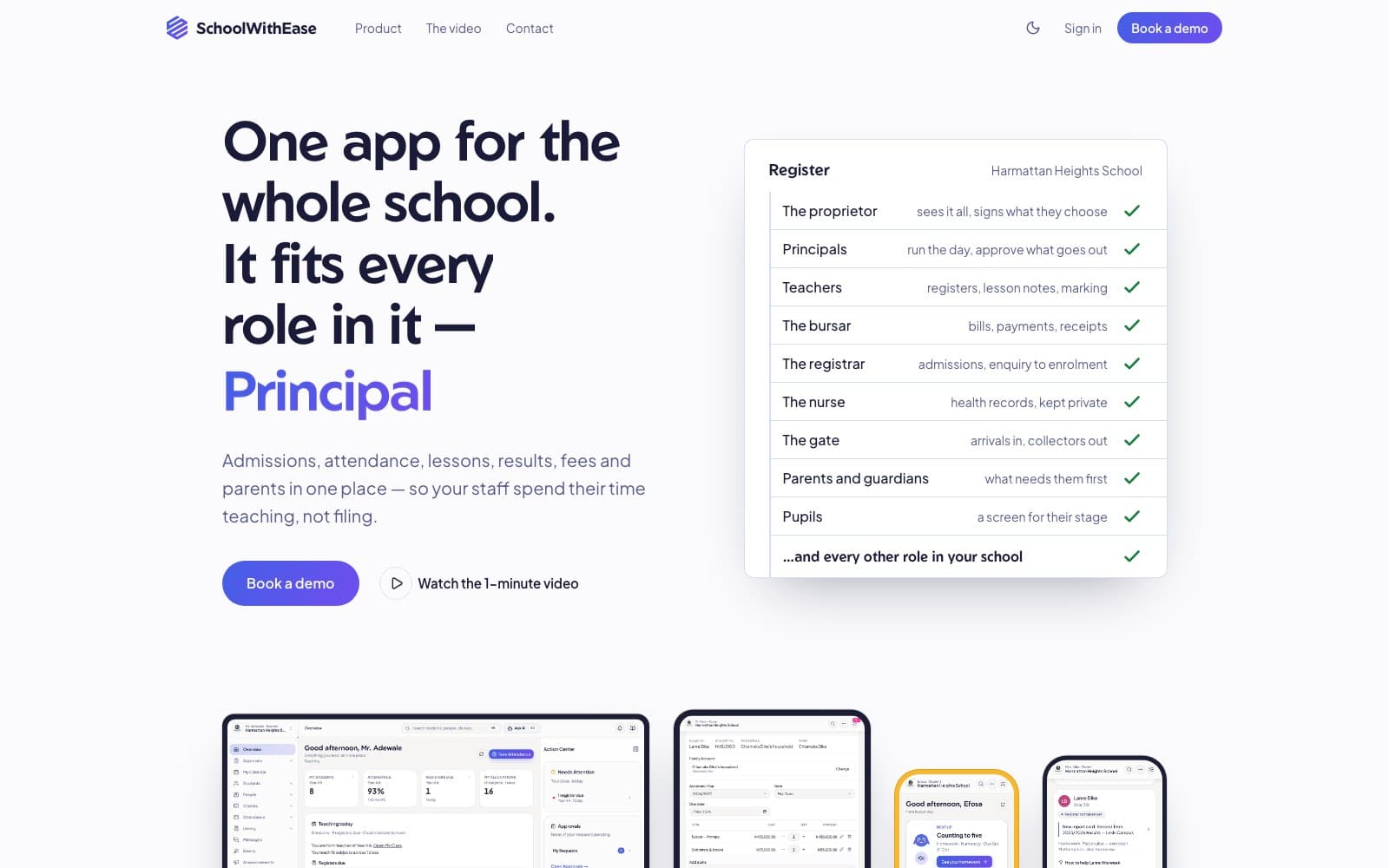
I owned the dashboards the Central Bank of Nigeria, 18+ commercial banks and 450+ microfinance institutions use to run a regulated blockchain payment network. Now I'm building SchoolWithEase, an AI-native school management platform. Money moving between banks, AI in the classroom: I build software that can't afford to be wrong.
Senior engineering across AI, fintech and education products: I take a product from a blank repo to production, and keep it running.
AI products people can trust
LLM features that ship to real users: retrieval-grounded assistants, agentic tool calling scoped to each user's permissions, AI drafting with human approval, and guardrails that keep personal data away from the model.
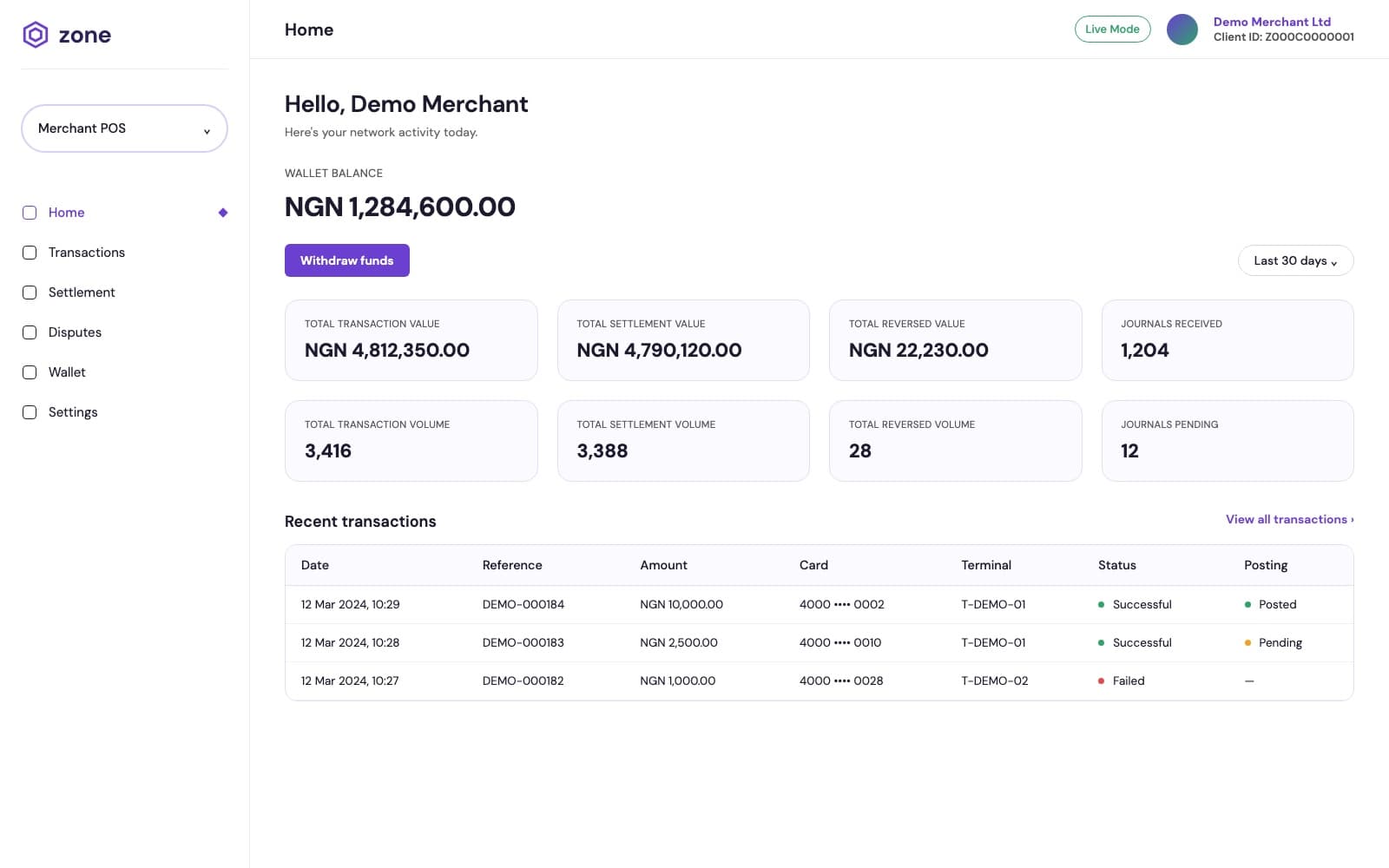
Four years owning the dashboards of a regulated blockchain payment network: 400+ API endpoints for onboarding, settlement, disputes and real-time transaction tracking, on systems held to 99.9% availability.
Web apps, installable PWAs and APIs, from the component library to the database policy to the deploy pipeline. Multi-tenant SaaS on Postgres row-level security, real-time UIs over WebSockets, Web3 backends on Solana and Ethereum.
Sole frontend engineer at Zone for nearly two years, building 80%+ of every dashboard version, and named one of the company's MVPs. Before that, I led delivery teams across web, backend and mobile, and taught frontend and backend to new and intermediate developers.
Multi-tenant SaaS that runs a whole Nigerian school, built end to end: an LLM drafts lesson notes for teachers to approve, and RAG assistants answer only from the school's own records.
The React and TypeScript dashboards the Central Bank of Nigeria, 18+ commercial banks and 450+ microfinance institutions use to run a regulated blockchain payment network in real time.
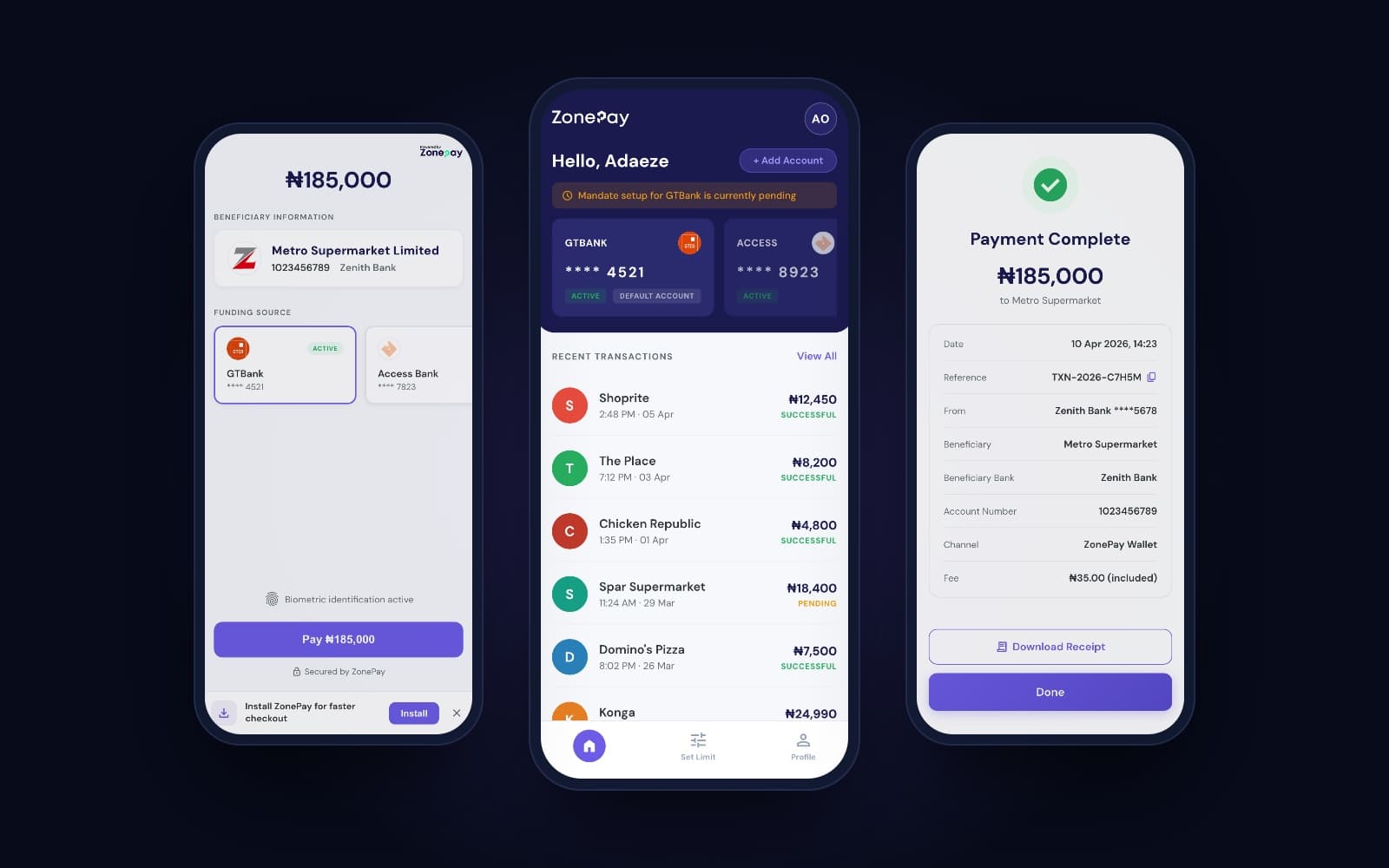
One installable Next.js PWA for both sides of a payment: customers pay merchants from linked bank accounts, and merchants watch each payment land in real time over WebSockets.
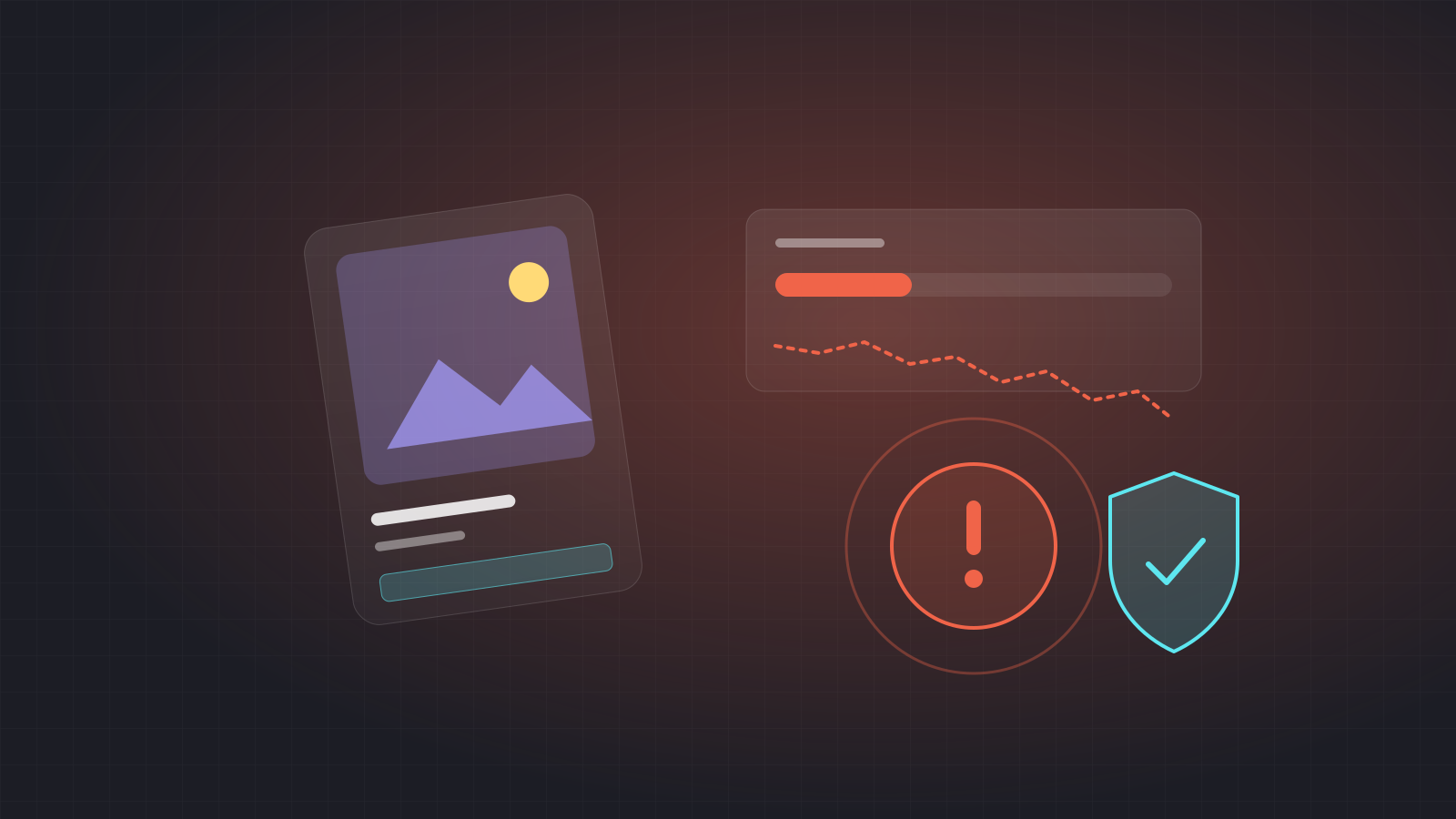
Frontend lead on a Solana NFT pawn platform delivered in two weeks, and the night a live security breach was draining funds: what it took to stop it.
Read the case study
AI-native,bydefault
Agents do the typing. I do the thinking: the requirements, the design system, the decisions, and the workflow the agents run in.
Requirements before code
Every feature starts as written requirements, research and a plan, down to the edge cases, roles and approval rules, before an agent writes a line.
A design system to build against
Design tokens, component rules and sign-off pages give agents one source of truth, so what they build matches the design instead of inventing its own.
The decisions stay mine
Agents propose; I choose. Architecture and design decisions are written down with their reasons, so each trade-off is made once, on purpose.
Agents execute the plan
Claude Code, Codex and Cursor write code, tests and docs against the plan, and I review every change before it ships, including on a regulated blockchain payment network.
A workflow I keep refining
Rules files, a task board and a handoff log after every session, so the next agent starts where the last one stopped and lessons from one session become rules for the next.
AI in the product
An LLM drafts full lesson notes in about thirty seconds, assistants answer from a school's own records through tool calls, and a chatbot answers students from their course materials.
Moreprojects
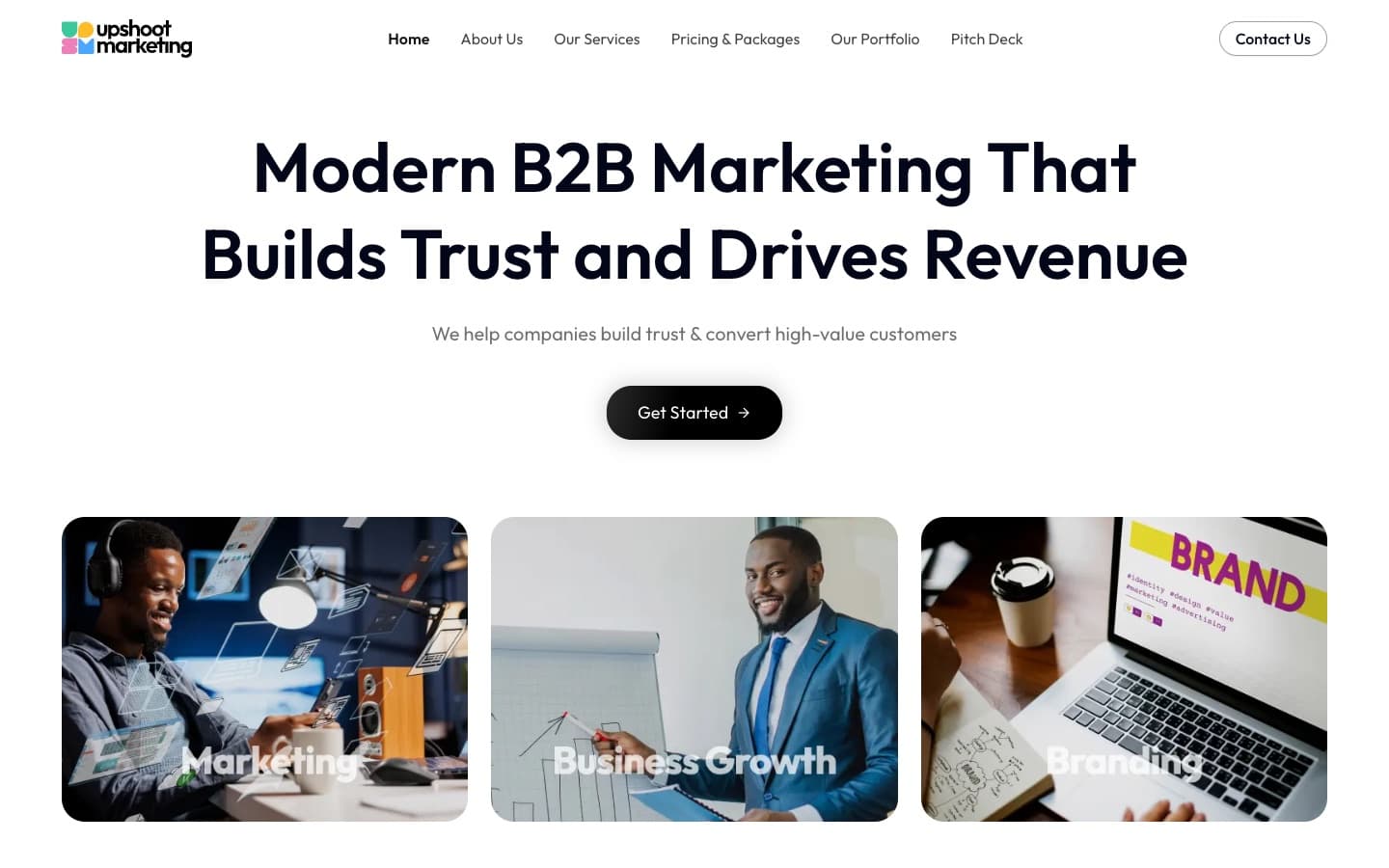
Contract builds across EdTech, Web3 and marketing, from entire backends to a front end built from a design.
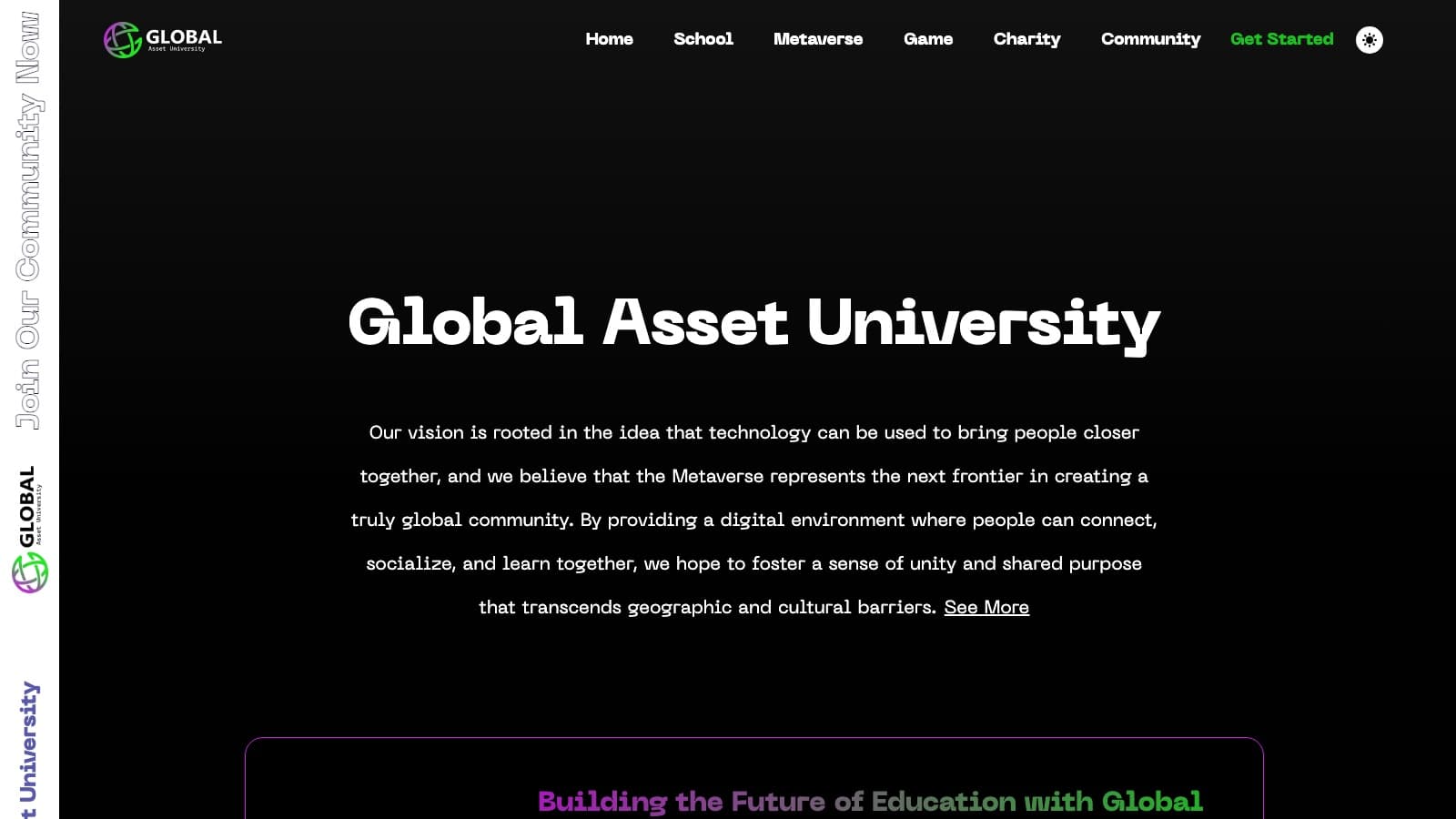
The entire backend of an online university — NestJS, a course-grounded OpenAI chatbot, Ethereum-based certificates, video on S3/CloudFront, Stripe subscriptions.
The entire backend of an exam-prep app with 10K+ Play Store downloads — assessments, progress tracking, media delivery, payments, zero-downtime deploys.